For most brands, packaging is a cost to be minimised. For a luxury brand, it is one of the few moments where the promise becomes physical: held in the hand, weighed, opened. Long before a customer reads a word of copy, they have felt the brand through its packaging - the density of the board, the friction of a lid, the restraint of an unmarked surface. This is why luxury packaging is not decoration applied at the end of a project. It is one of the purest expressions of what a brand believes.
What the senses know
The reason packaging carries such weight is that it engages the senses marketing cannot reach. A screen can show you an object; only packaging lets you touch it. Weight signals value. Texture signals care. The considered resistance of a well-made closure, the sound of a box, the way tissue is folded - these are not details, they are the argument. In a category where the product itself is often indistinguishable from its rivals on paper, luxury packaging design is frequently where the premium is actually earned.
What separates luxury packaging from merely expensive packaging is, as ever, restraint. The instinct to signal value through more - more foil, more embossing, more logo - is the instinct that cheapens. The most confident luxury packaging does less. It trusts materials over ornament, and it leaves space. An unbranded box in a beautiful stock says more about a house's confidence than any amount of gold ever could. The discipline is to remove until only the essential remains, and then to make the essential perfect.
Packaging as proof
Packaging is also where a brand reveals whether its values are real. A house that talks about craft and then ships in flimsy, forgettable packaging has told you the truth about itself. One that treats the box, the bag and the wrapping as part of the object has extended its care to the very last touchpoint. Increasingly that care includes materiality in the sustainable sense too: packaging made to be kept, reused or returned rather than discarded, which is both the more responsible choice and, not coincidentally, the more luxurious one.
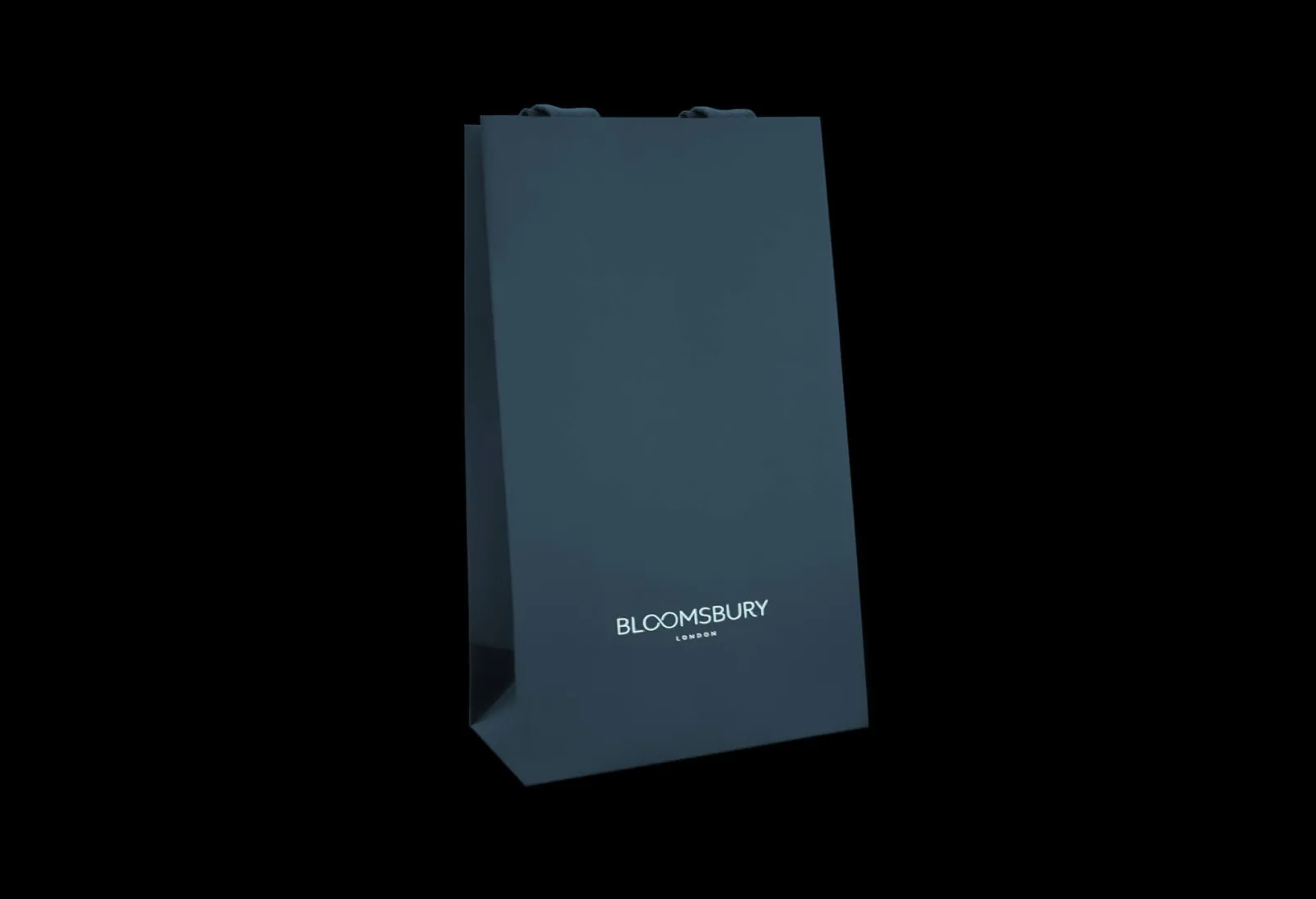
At SUM we treat packaging as a strategic surface rather than a finishing touch. For the mezcal brand Bandida, the bottle and its packaging carry the entire story of the spirit - premium, characterful, made to sit on display long after the first pour. For Annabel's, packaging became collectible in its own right, an object members keep rather than throw away. And for retail houses such as Bloomsbury and Victoria Beckham, the packaging is where the brand's editorial voice becomes something you can hold. In each case the same principle applies: the packaging is not the wrapping around the product, it is part of the product.
The most loyal advertising there is
There is a commercial logic beneath the craft. Packaging is the most shared, most photographed and most kept element of a luxury purchase. It is the unboxing a customer records, the box that lingers on a shelf, the bag reused until it falls apart - each one a quiet advertisement no media budget could buy. A brand that invests in packaging is not indulging itself; it is buying the most loyal advertising there is.
So the question a luxury brand should ask of its packaging is not "how do we make this look expensive?" but "what will someone feel the moment they touch it, and will they want to keep it?" Get that right, and the box stops being a cost. It becomes one of the most persuasive things the brand ever makes.This obsession with the final touch runs through all our luxury branding work, where the smallest surface is asked to carry the whole story.