In luxury, the object is rarely the whole purchase. A handbag holds what a cheaper bag holds; a watch tells the same time. What the customer is really paying for is the story around the object - its heritage, its provenance, the world it belongs to and the person they become by owning it. This is why brand storytelling is not a marketing flourish in luxury. It is the mechanism by which value is created.
The story is what you are paying for
Strip a luxury purchase back and the premium is almost entirely narrative. Two products can be near-identical in material and function, yet one commands a multiple of the other's price, and the difference is the story each carries. A brand with a clear, credible story gives the customer a reason to pay more and, just as importantly, a reason to feel good about it. Luxury brand storytelling is the work of building that reason and making it feel true.
The strongest luxury stories are rarely about a product's features. They are about origin - where it comes from, who makes it; about time - heritage, or the deliberate slowness of craft; and about belonging - the world the customer joins. These are the registers luxury has always spoken in, because they are the ones that make a price feel like an investment rather than a cost.
Show, do not announce
Where most brands go wrong is in telling the story too loudly. Luxury storytelling obeys the same law of restraint as everything else in the category: the most powerful stories are implied, not announced. A single well-chosen image, a detail of process, an object photographed with reverence - these carry more than a paragraph of claims. The customer should feel the story and complete it themselves, rather than be lectured on it. A brand that has to insist on its own heritage has already weakened it.
A story held over time
Storytelling in luxury is also a discipline of consistency. A story told once is a campaign; the same story told coherently across years and every touchpoint becomes a myth. The houses with the strongest narratives are simply those that decided what their story was long ago and have refused to dilute it since. Every new collection, campaign and collaboration is a fresh sentence in a story the customer already knows, which is why it lands. Consistency is what turns brand storytelling into equity.
Stories we have helped tell
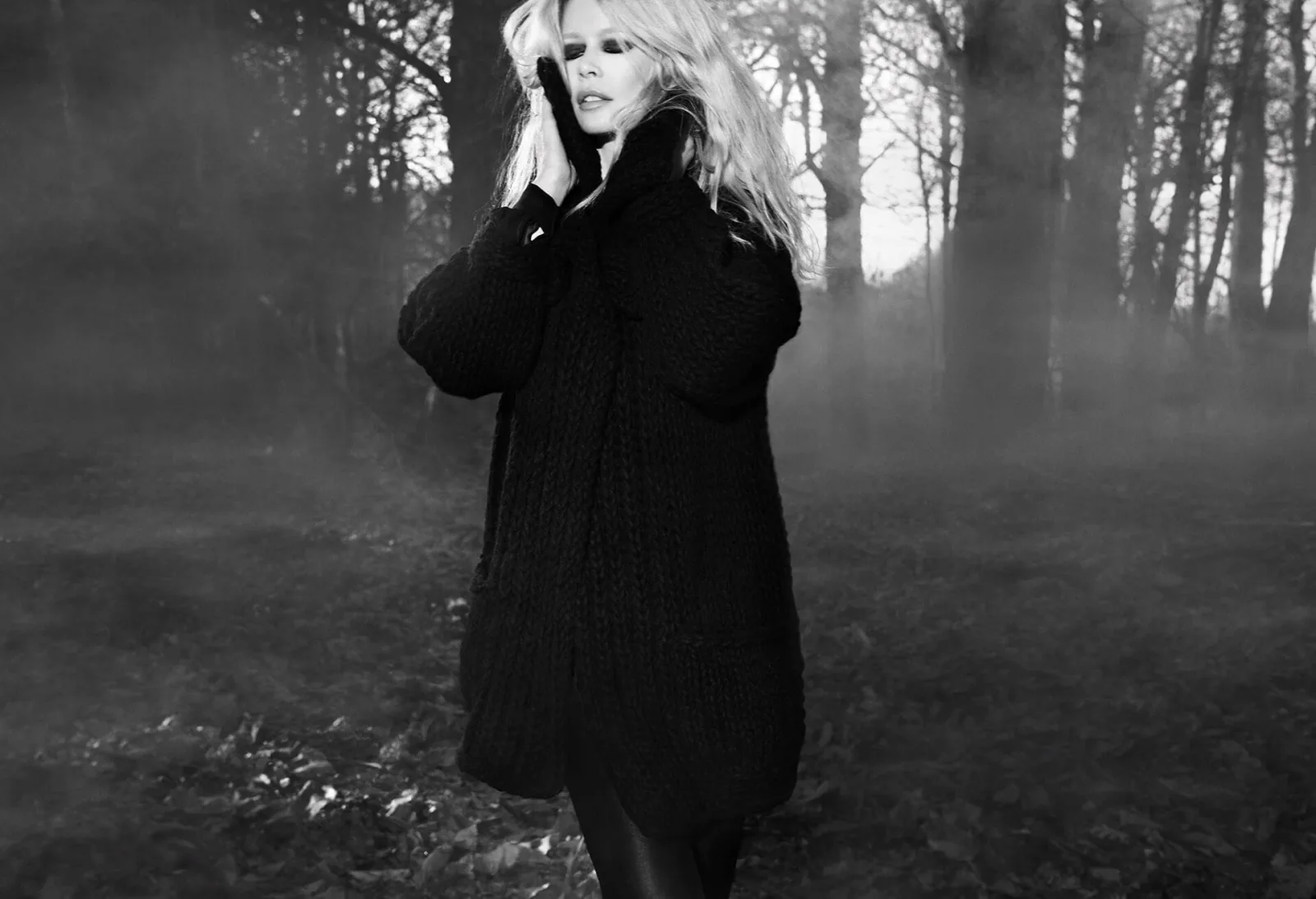
At SUM, story is where the work begins rather than ends. For Banham, a heritage security business, we found the narrative that let a functional category be understood as something crafted and considered. For La Perla, the storytelling is cinematic - sensuality and Italian heritage expressed through mood rather than message. And for a house like Sabyasachi, the story of craft and ceremony is so strong that it carries across everything the brand touches. In each, the story was not decoration added at the end; it was the foundation everything else was built on.
So the question a luxury brand should ask is not "what are we selling?" but "what story are we telling, and is it worth believing?" Get the story right and the price looks fair, the product feels inevitable, and the customer does your marketing for you. It is the closest thing luxury has to a first principle, and it runs through all our luxury branding work.
What is luxury brand storytelling?
Luxury brand storytelling is the practice of building the narrative a customer is really paying for - the origin, heritage and world that surround an object, rather than its features. In luxury the premium is almost entirely narrative, so the story is not decoration added at the end but the mechanism by which value is created. In work such as our La Perla campaign, that story is told cinematically, through mood rather than message.
Why does storytelling matter more in luxury?
Because luxury sells meaning rather than utility, and a story is what makes meaning feel credible and worth paying for. Two near-identical products can command very different prices, and the difference is the story each carries - a clear, believable narrative gives the customer both a reason to pay more and a reason to feel good about it. It is why, in luxury branding, the story is treated as the foundation rather than the finish.
What makes a strong luxury brand story?
The strongest luxury stories are rarely about features. They speak in three registers - origin (where something comes from and who makes it), time (heritage and the deliberate slowness of craft) and belonging (the world the customer joins) - and they are implied rather than announced, leaving the customer to complete them. Held consistently over years, as with a house like Sabyasachi, a story stops being a campaign and becomes a myth.