Beauty is the most crowded shelf in luxury, and the most revealing. It is a category where the product in the jar is often near-identical across price points, which means the entire premium rests on the brand - on the story, the ritual and the codes that surround it. Nowhere is branding more nakedly the product than in beauty. This is what makes luxury beauty branding both difficult and, done well, extraordinarily powerful.
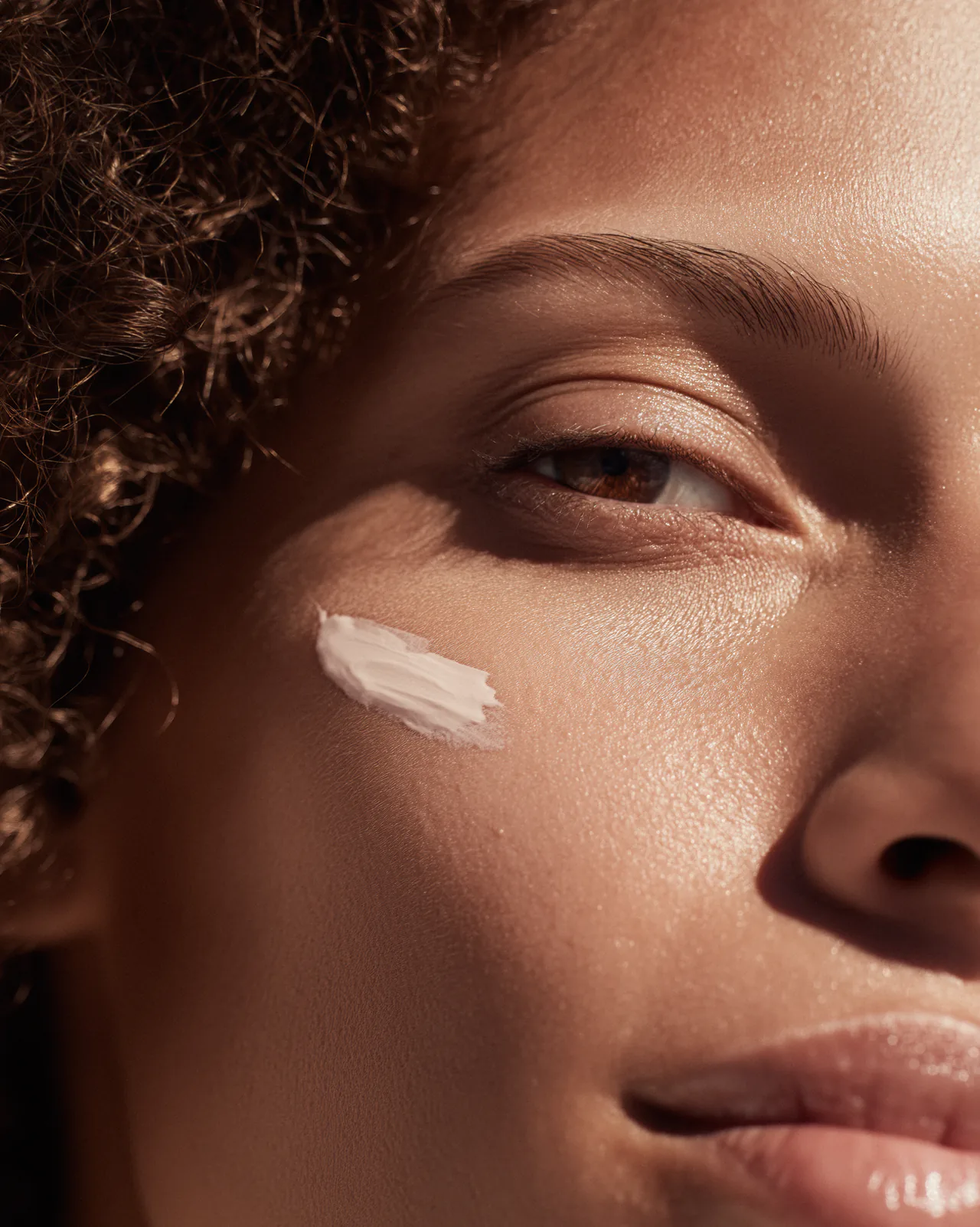
The codes are strict
The codes of the category are unusually strict. Luxury beauty trades on a specific visual language - restraint, tactility, a sense of the clinical made sensual - and it punishes brands that break it. Too much colour reads as mass. Too much copy reads as insecurity. The most desirable beauty brands tend towards a confident minimalism: considered typography, a narrow palette, materials that feel good in the hand, and packaging designed to sit out on display rather than be hidden in a cabinet. In beauty, the object is part of the ritual, and the ritual is what the customer is really buying.
Underneath the aesthetics sits something deeper, which is that beauty branding is really the branding of a feeling. A fragrance or a cream is bought in anticipation of who the customer will become when they use it. The best beauty brands understand they are not selling a formula but a promise about identity, and they build every code - the name, the bottle, the weight of the lid, the language - to make that promise feel credible and precise. Vague beauty brands sell discounts. Precise ones sell belonging.
Intimacy and restraint
The same discipline of restraint that governs luxury fashion governs beauty, only more so, because the intimacy is greater. This is a product applied to the body, kept on a bedside table, part of a private daily ritual. That closeness means the brand has to feel trustworthy and refined at very close range, where nothing can hide. It is why the craft of beauty branding lives in the details most brands overlook: the exact weight of a cap, the finish of a surface, the restraint of a label.
The house extends into beauty
At SUM we see the same principles at work across adjacent categories. In our work for Sabyasachi, whose world extends from fashion into beauty, the brand's codes - its craft heritage, its sense of ceremony - carry seamlessly onto the beauty line, because a luxury beauty brand is not a separate entity but an intensification of the house's existing story. Victoria Beckham, another house we work with, shows the same move at its most disciplined: a fashion name that entered beauty by keeping its codes intact - pared back, composed, quietly assured - rather than reaching for a louder register to suit the category. And in a brand like La Perla, the lesson holds: sensuality expressed through restraint rather than display, the suggestion doing more work than the statement. Beauty rewards the brand confident enough to whisper.
For any house considering beauty, the temptation is to compete on claims - more actives, more promises, louder packaging. The luxury move is the opposite. Decide on the ritual you are offering and the feeling it delivers, then express it with the fewest, most considered codes possible. In a category where everyone is shouting about what is in the jar, the brand that speaks quietly about who you become is the one that reads as luxury.
It is luxury branding practised at its most intimate scale.