Interior designers and architects share a peculiar problem. They spend their careers shaping how other people's spaces look and feel, and yet their own brands are often the least considered thing they own. The work is exceptional; the identity around it is an afterthought - a wordmark chosen quickly, a website that undersells the studio, a name that says nothing. In a field where taste is the entire proposition, that gap is costly. This is the specific discipline of interior design branding: giving a practice a brand as considered as the spaces it creates.
Taste is the proposition
Design clients buy on trust, and trust in this world is transmitted through taste. A prospective client cannot judge the quality of a build before it exists; they judge the studio by the coherence of everything around it. If the brand, the portfolio and the digital experience feel as composed as the work, the client relaxes. If they don't, a nagging doubt sets in, however good the projects. For interior and architecture studios, the brand is the proof of taste that precedes the proof of work.
Good interior design branding follows the same principles as good interiors. It is built on restraint, materiality and proportion rather than noise. It knows that white space is not empty space, that a considered typeface does more than a decorative one, and that the most confident thing a studio can do is show its work cleanly and get out of the way. The brand should feel like the practice: quiet where the practice is quiet, bold where it is bold, never louder than the rooms it makes.
The positioning most studios avoid
There is also the harder question of positioning, which interiors and architecture practices tend to avoid. Most describe themselves in the same words - bespoke, tailored, timeless - and in doing so become interchangeable. The studios that stand out have decided what they are actually for, and what they will decline. A brand that expresses that decision clearly does more to win the right clients than any amount of polish.
Brands we have built in this world
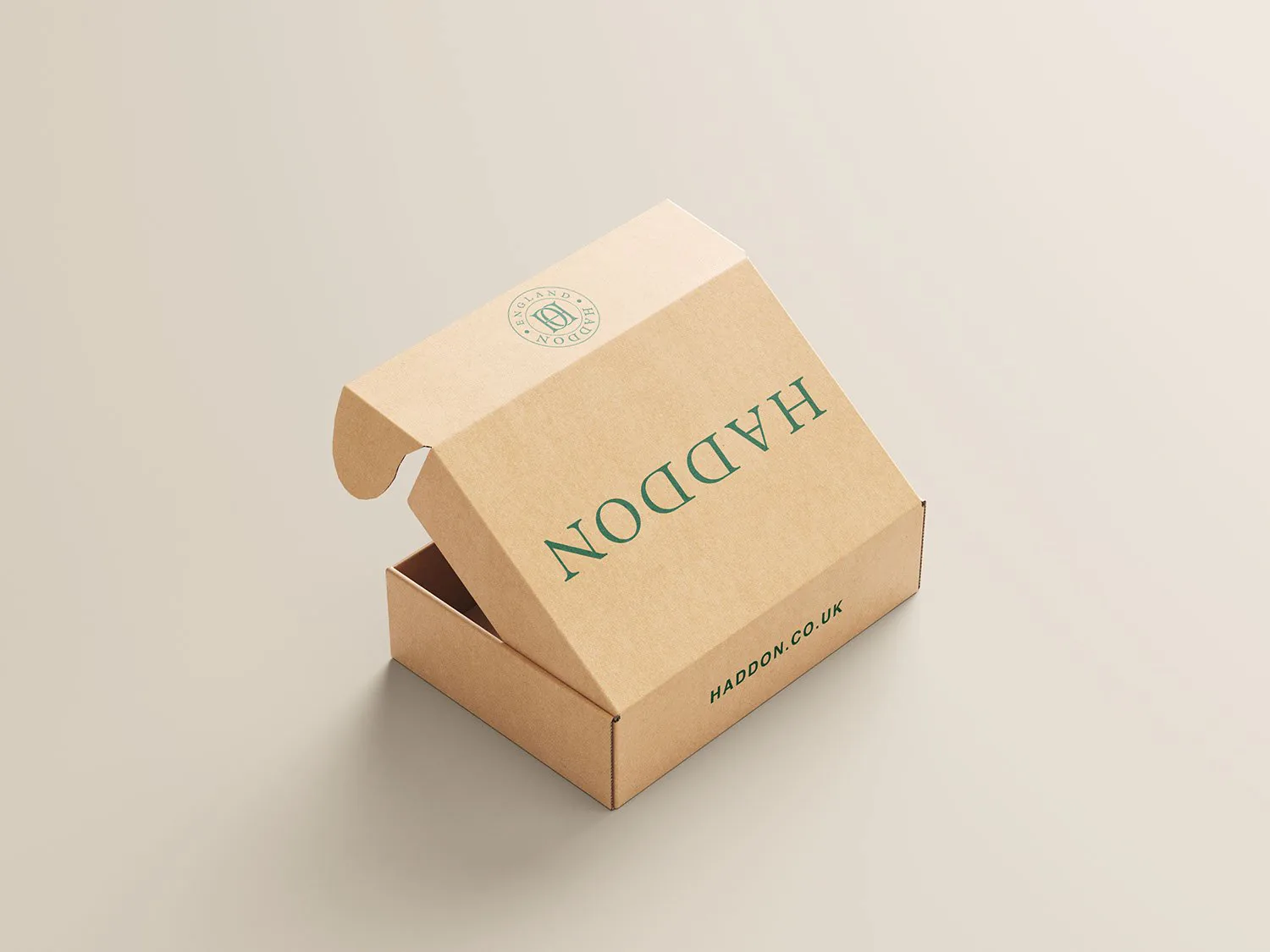
SUM has built brands for practices across this field. For Zeynep Cecen, an interior design studio, the identity gives a singular creative voice the clarity and confidence to stand alongside the work. For Haddon, a luxury bathroom brand, we built both the identity and the commerce experience so the digital feels as crafted as the product. And for practices such as Nôsa and Fraem, whose work sits between architecture and object, the branding makes an architectural sensibility legible to the people who commission it. In each, the aim is the same: a brand that earns trust before a client has seen a single completed room.
The opportunity, for any studio reading this, is that the bar is low and the reward is high. Because so many designers and architects neglect their own brand, a considered one stands out immediately - and it does so precisely to the audience most able to judge, and pay for, taste. The work speaks. The brand is what makes sure the right people are listening.
It is the principle behind our luxury property branding: a brand should be as considered as the space it represents.